
Actionable Insights for 2026: A Parent’s Guide to Supporting Remote Learning Success provides comprehensive strategies for parents to navigate and optimize their children’s online education, focusing on creating supportive environments and fostering essential skills.
As we navigate the evolving landscape of education in 2026, the prominence of remote learning continues to shape how children acquire knowledge and develop crucial skills. For parents, understanding how to effectively support their children in this dynamic environment is paramount. This guide provides Actionable Insights for 2026: A Parent’s Guide to Supporting Remote Learning Success, offering practical strategies and a clear roadmap to ensure your child not only adapts but thrives in their virtual classroom. We’ll explore everything from setting up an optimal learning space to fostering digital literacy and maintaining emotional well-being, ensuring a comprehensive approach to modern education.
Establishing an Optimal Remote Learning Environment
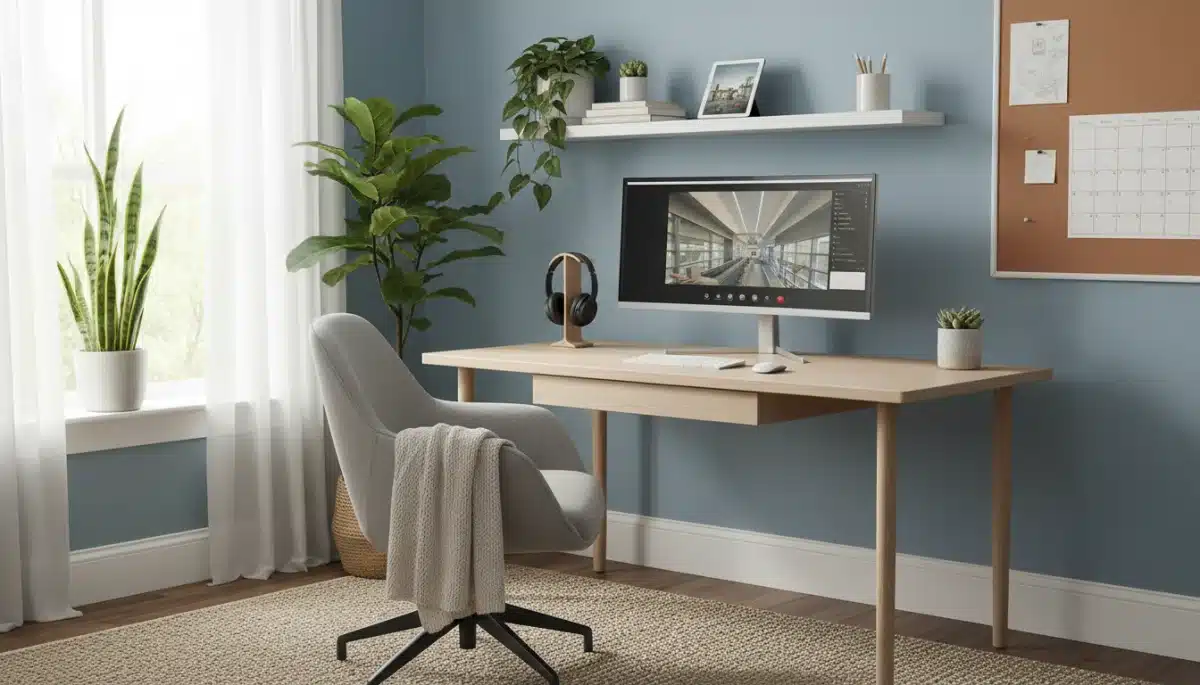
Creating a dedicated and conducive learning space is the cornerstone of successful remote education. This isn’t just about a desk and a chair; it’s about crafting an environment that minimizes distractions, promotes focus, and encourages independent learning. A well-designed space signals to the child that this is their ‘school zone,’ fostering a sense of routine and seriousness toward their studies.
Parents often underestimate the psychological impact of a designated learning area. It helps children transition mentally from home life to school mode, reducing the blur between leisure and academic responsibilities. This physical separation is crucial for maintaining boundaries and ensuring that learning remains a priority.
Designating a Dedicated Study Zone
The first step is to identify a quiet area in your home that can be exclusively used for schoolwork. This doesn’t have to be a separate room; it could be a corner of a bedroom or a section of a communal living space, provided it remains consistent. The key is its exclusivity during school hours.
- Minimize Distractions: Position the desk away from high-traffic areas, televisions, and game consoles.
- Ensure Good Lighting: Natural light is ideal, but supplement with a desk lamp to reduce eye strain.
- Comfortable Seating: Invest in an ergonomic chair that supports good posture to prevent discomfort during long study sessions.
- Organized Supplies: Keep all necessary school supplies (notebooks, pens, chargers) within easy reach to avoid interruptions.
Optimizing Connectivity and Technology
Reliable internet access and functional devices are non-negotiable for remote learning. Parents should regularly check internet speed and device performance to prevent technical issues from disrupting lessons. Proactive maintenance can save a lot of stress during critical learning moments.
It’s also beneficial to have a backup plan for internet outages, such as a mobile hotspot. Ensuring devices are fully charged and software is updated before school starts each day can prevent last-minute rushes and technical glitches. This preparation contributes significantly to a smooth learning experience.
Fostering Digital Literacy and Online Safety
In 2026, digital literacy extends beyond basic computer skills; it encompasses critical thinking about online information, understanding digital citizenship, and practicing online safety. For children engaged in remote learning, these competencies are as vital as traditional academic subjects. Parents play a crucial role in guiding their children through the complexities of the digital world.
Teaching children to discern credible sources from misinformation, to interact respectfully in online forums, and to protect their personal information are essential life skills. This proactive approach not only safeguards them but also empowers them to be responsible digital citizens.
Navigating Online Resources Critically
The internet is a vast repository of information, but not all of it is accurate or reliable. Parents should teach their children how to evaluate sources, look for biases, and cross-reference information. This skill is fundamental for academic success and for navigating the broader digital landscape.
- Source Verification: Teach children to identify reputable websites and academic databases.
- Fact-Checking: Encourage the use of multiple sources to verify information.
- Bias Awareness: Discuss how different perspectives can influence information presentation.
- Distinguishing Ads from Content: Help them recognize sponsored content and advertisements.
Promoting Online Safety and Digital Citizenship
Online safety is paramount. Parents need to educate their children about the risks of sharing personal information, interacting with strangers, and cyberbullying. Establishing clear rules and open communication channels about online activities is crucial for creating a safe digital environment.
Digital citizenship also involves teaching children about their online footprint and the permanence of digital actions. Understanding the implications of their posts and interactions can help them make more thoughtful decisions online. Regular conversations about these topics can reinforce positive digital habits.
Structuring Routines and Time Management
Remote learning often lacks the inherent structure of a physical school day, making it challenging for children to manage their time effectively. Establishing consistent routines and teaching robust time management skills are therefore critical for parents to support their child’s academic progress and overall well-being. A predictable schedule provides a sense of stability and helps children anticipate what comes next.
Without a clear structure, children can easily feel overwhelmed or lose motivation. A well-planned routine can help them allocate sufficient time for schoolwork, breaks, and extracurricular activities, fostering a balanced approach to their day.
Creating a Daily Schedule
A consistent daily schedule that mirrors a traditional school day as much as possible can greatly benefit children. This includes designated times for waking up, meals, classes, homework, and breaks. Visual schedules can be especially helpful for younger children.
Ensure the schedule is realistic and flexible enough to accommodate unexpected events. Involve your child in the creation of the schedule to give them a sense of ownership and increase their adherence to it. This collaborative approach also teaches them valuable planning skills.
Teaching Time Management Techniques
Empowering children with time management techniques helps them take responsibility for their learning. Simple strategies like breaking down large tasks into smaller, manageable steps can prevent procrastination and reduce feelings of being overwhelmed.
- Pomodoro Technique: Encourage focused work intervals followed by short breaks.
- Task Prioritization: Teach them to identify and tackle the most important tasks first.
- Goal Setting: Work together to set realistic daily and weekly academic goals.
- Avoiding Multitasking: Explain the benefits of focusing on one task at a time for better retention and productivity.
Promoting Engagement and Motivation
Maintaining a child’s engagement and motivation in a remote learning environment can be one of the biggest challenges for parents. The absence of direct peer interaction and the novelty of a classroom setting can sometimes lead to disinterest. Parents must actively seek ways to make learning interactive, relevant, and enjoyable to keep their children invested.
A motivated child is a curious child. By tapping into their interests and making connections between their studies and the real world, parents can transform passive learning into an exciting exploration. This not only boosts academic performance but also fosters a lifelong love for learning.
Making Learning Interactive and Fun
Incorporate interactive elements into their learning routine. This could involve educational games, virtual field trips, or hands-on projects that complement their online lessons. The goal is to break the monotony of screen-based learning and stimulate different parts of their brain.
Encourage them to share what they’ve learned with you, fostering a sense of accomplishment and reinforcing their understanding. Family discussions around topics covered in their lessons can also deepen their engagement and critical thinking skills.
Recognizing and Rewarding Effort
Positive reinforcement is a powerful motivator. Acknowledge your child’s efforts and achievements, no matter how small. This doesn’t always have to be tangible rewards; verbal praise, a special activity, or extra playtime can be incredibly effective in boosting their confidence and desire to learn.
Focus on effort rather than just outcomes. Celebrating perseverance and resilience when facing challenges teaches them the value of hard work and continuous improvement. This approach builds a growth mindset, which is crucial for long-term remote learning success.
Supporting Emotional Well-being and Social Connection
Remote learning can sometimes lead to feelings of isolation, anxiety, or stress due to reduced social interaction and increased screen time. Parents must prioritize their child’s emotional well-being and actively seek opportunities to foster social connections, even in a virtual world. A child who feels emotionally secure and connected is better equipped to learn and cope with academic pressures.
Open communication about their feelings and experiences is vital. Creating a safe space for them to express concerns without judgment can help parents identify and address potential issues before they escalate. This holistic approach ensures that academic success doesn’t come at the expense of mental health.
Encouraging Regular Breaks and Physical Activity
Scheduled breaks throughout the day are essential to prevent burnout and maintain focus. Encourage children to step away from their screens, stretch, and engage in physical activity. Outdoor play, if possible, can provide a much-needed change of scenery and fresh air.
Physical activity isn’t just good for the body; it’s also a powerful stress reliever and mood booster. Incorporating short bursts of exercise or movement breaks into their daily routine can significantly improve their concentration and overall well-being during remote learning.
Facilitating Social Interaction
While in-person interaction might be limited, parents can facilitate virtual social opportunities. This could include arranging video calls with classmates, engaging in online group projects, or participating in virtual clubs and activities. Maintaining friendships is crucial for a child’s social and emotional development.
- Virtual Playdates: Schedule video calls with friends for informal chats or shared online games.
- Online Group Activities: Explore virtual clubs or interest groups related to their hobbies.
- Family Time: Dedicate quality time for family activities that encourage interaction and bonding.
- Open Communication: Regularly check in with your child about their social life and feelings of connection.
Collaborating with Educators and Schools
Effective communication and collaboration between parents and educators are indispensable for ensuring a child’s remote learning success. Schools and teachers are key partners in this journey, and a strong parent-teacher relationship can significantly enhance the child’s educational experience. This partnership allows for a unified approach to addressing challenges and celebrating progress.
Proactive engagement with the school community demonstrates to your child the importance of their education and provides you with valuable insights into their academic performance and potential areas for improvement. It’s about being an active participant, not just a passive observer.
Maintaining Open Communication Channels
Regularly communicate with your child’s teachers to stay informed about their progress, assignments, and any concerns. Utilize platforms provided by the school for communication, whether it’s email, parent portals, or scheduled virtual meetings. Don’t hesitate to reach out if you have questions or observe any difficulties.
Sharing your observations about your child’s learning patterns and challenges at home can provide teachers with a more complete picture, enabling them to offer tailored support. This two-way communication is vital for a responsive and effective learning environment.
Understanding School Resources and Support Systems
Familiarize yourself with the resources and support systems offered by your child’s school. This could include tutoring services, counseling, technical support, or special education services. Knowing what’s available can help you leverage these resources when your child needs extra assistance.
Many schools also offer workshops or guides for parents on navigating remote learning platforms or supporting specific academic areas. Actively participating in these opportunities can equip you with additional tools and strategies to further support your child’s remote learning journey.
| Key Point | Brief Description |
|---|---|
| Optimal Learning Space | Create a designated, distraction-free area with reliable tech for focused study. |
| Digital Literacy & Safety | Teach critical online evaluation and safe digital citizenship practices. |
| Routine & Time Management | Implement consistent schedules and teach effective time-blocking techniques. |
| Emotional Well-being | Prioritize breaks, physical activity, and social connections to prevent isolation. |
Frequently Asked Questions About Remote Learning Success
Develop a consistent daily schedule that mimics a traditional school day, including designated times for classes, homework, meals, and breaks. Involve your child in its creation to foster ownership and adherence. Visual schedules can be particularly helpful for younger learners to track their progress and anticipate upcoming activities.
To maintain motivation, make learning interactive and fun by incorporating educational games or hands-on projects. Recognize and reward effort, not just outcomes, to build confidence. Encourage them to share what they’ve learned and connect their studies to real-world scenarios to spark genuine interest and engagement.
Digital literacy is crucial for remote learning in 2026. It encompasses not only basic tech skills but also critical thinking about online information, understanding digital citizenship, and practicing online safety. Parents must guide children to evaluate sources, recognize biases, and protect personal information to navigate the digital world responsibly and effectively.
Prioritize emotional well-being by encouraging regular breaks and physical activity to prevent burnout. Facilitate social interaction through virtual playdates or online group activities to combat isolation. Maintain open communication about their feelings and experiences, creating a safe space for expression and addressing any anxieties.
Effective collaboration involves maintaining open communication channels with teachers, utilizing school platforms for updates, and sharing observations about your child’s progress. Familiarize yourself with school resources, such as tutoring or counseling, and actively participate in parent workshops. This partnership ensures a unified and supportive approach to your child’s education.
Conclusion
Navigating the landscape of remote learning in 2026 presents both challenges and unparalleled opportunities for growth. By implementing the actionable insights discussed, parents can transform potential obstacles into pathways for profound educational and personal development. From meticulously crafting an optimal learning environment and fostering robust digital literacy to structuring effective routines and prioritizing emotional well-being, each step is critical. Moreover, establishing a strong, collaborative partnership with educators ensures a cohesive support system for your child. Ultimately, supporting remote learning success is about empowering children with the skills, resilience, and confidence to thrive in academic settings and beyond, preparing them for a future where adaptability and continuous learning are paramount.