
Mental Health Benefits 2026 will see substantial improvements in coverage and accessibility through both employer-sponsored plans and the Affordable Care Act, providing critical support for individuals seeking mental healthcare.
As we approach 2026, the landscape of healthcare, particularly regarding mental health, is undergoing a transformative shift. The spotlight is firmly on Mental Health Benefits 2026, with significant enhancements expected in coverage under both employer-sponsored plans and the Affordable Care Act (ACA). This evolution promises to redefine how millions of Americans access and receive vital mental healthcare services, marking a pivotal moment in the nation’s health policy.
The evolving landscape of mental health coverage
The journey towards comprehensive mental health coverage has been a long one, marked by legislative milestones and a growing public understanding of mental well-being’s importance. In 2026, this evolution accelerates, driven by both policy adjustments and increasing demand. Employers are recognizing the tangible benefits of a mentally healthy workforce, leading to proactive enhancements in their benefit offerings.
Meanwhile, the Affordable Care Act continues to serve as a foundational pillar, ensuring that mental health and substance use disorder services are treated on par with medical and surgical care. This parity principle is more critical than ever, influencing how plans are designed and implemented across the country. Understanding these foundational shifts is key to navigating the upcoming changes effectively.
Historical context and legislative milestones
Tracing back to the Mental Health Parity and Addiction Equity Act (MHPAEA) of 2008, the push for equal treatment of mental and physical health has steadily gained momentum. The ACA further cemented this by designating mental health and substance use disorder services as essential health benefits. These legislative acts laid the groundwork for the comprehensive coverage we anticipate in 2026.
- MHPAEA 2008: Mandated parity in financial requirements and treatment limitations for mental health and substance use disorder benefits.
- ACA 2010: Required most health plans to cover mental health and substance use disorder services as essential benefits.
- Ongoing Enforcement: Continuous efforts by federal agencies to ensure compliance and expand the scope of covered services.
The confluence of these historical efforts and future-oriented policy adjustments creates a robust framework. This framework aims to dismantle barriers to care, ensuring that individuals receive the support they need without undue financial burden or discriminatory practices. The emphasis is on proactive care and early intervention, moving beyond crisis management to holistic well-being.
In essence, the evolving landscape reflects a societal shift towards destigmatizing mental health issues and integrating mental healthcare more seamlessly into the broader healthcare system. This ongoing commitment to improvement will significantly shape the availability and quality of mental health services in the coming years.
Employer-sponsored plans: what’s new for 2026?
Employer-sponsored health plans are at the forefront of the mental health benefits revolution for 2026. Companies are increasingly aware that robust mental health support isn’t just a perk but a critical component of employee wellness, productivity, and retention. This realization is translating into more expansive and innovative mental health offerings, moving beyond basic therapy sessions.
Many organizations are now investing in a wider array of services, including digital mental health platforms, employee assistance programs (EAPs) with enhanced capabilities, and even on-site mental health professionals. The goal is to create a supportive ecosystem where employees feel empowered to seek help without fear of judgment or financial strain, fostering a healthier and more engaged workforce.
Expanding coverage: beyond traditional therapy
While traditional talk therapy remains a cornerstone of mental health treatment, employer plans in 2026 are broadening their scope significantly. This expansion includes a focus on preventative care, stress management, and specialized treatments for various conditions. Employers are recognizing that a one-size-fits-all approach is insufficient for addressing the diverse mental health needs of their workforce.
- Digital Mental Health Tools: Apps for meditation, cognitive behavioral therapy (CBT), and teletherapy platforms.
- Specialized Programs: Coverage for eating disorder treatment, addiction recovery, and trauma-informed care.
- Preventative Care: Workshops on mindfulness, stress reduction, and resilience building.
The shift is towards a more holistic model of care, encompassing mental, emotional, and even spiritual well-being. This comprehensive approach not only helps employees manage existing conditions but also equips them with tools to maintain their mental health proactively. Companies are seeing these investments pay off in reduced absenteeism, increased productivity, and a more positive work environment.
Ultimately, the enhancements in employer-sponsored plans for 2026 reflect a deeper commitment to employee well-being. This commitment is driven by both ethical considerations and a clear understanding of the business benefits associated with a healthy, supported workforce. The focus is on accessible, diverse, and high-quality mental health resources.
The Affordable Care Act (ACA) and mental health parity in 2026
The Affordable Care Act (ACA) continues to play an indispensable role in shaping mental health coverage nationwide. For 2026, the ACA’s provisions, particularly those concerning mental health parity, remain as vital as ever, ensuring that individuals accessing healthcare through the marketplaces or Medicaid expansion receive equitable treatment for mental health conditions. The foundational principle is that mental health services should be no more restrictive than physical health services, a concept that continues to be refined and enforced.
This means that co-pays, deductibles, and visit limits for mental health and substance use disorder treatments must be comparable to those for medical and surgical care. The ACA’s framework prevents insurers from imposing arbitrary barriers that could deter individuals from seeking necessary mental health support. As we move into 2026, there’s an ongoing emphasis on strengthening these parity requirements and expanding access to a wider range of ACA-compliant plans that prioritize mental well-being.
Ensuring equitable access and comprehensive benefits
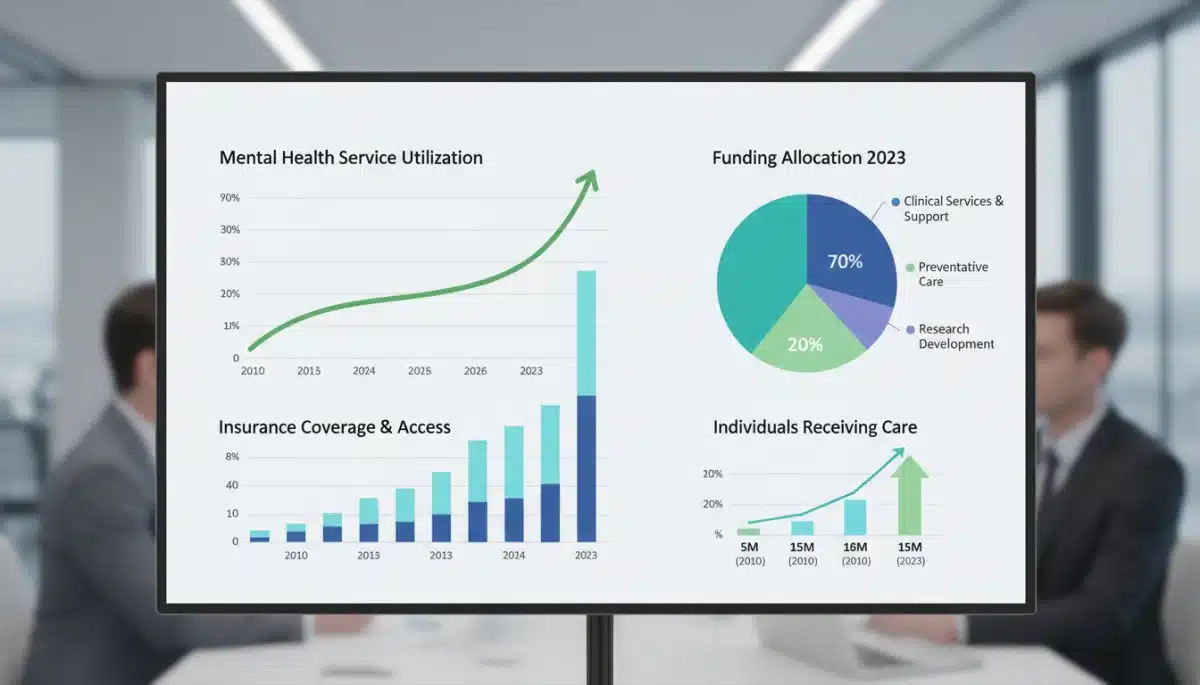
The ACA mandates that most health plans sold on the individual and small group markets, as well as Medicaid expansion programs, cover ten essential health benefits. Mental health and substance use disorder services are prominently included among these, encompassing a broad spectrum of care from behavioral health treatment to counseling and psychotherapy. Ensuring equitable access goes beyond just covering services; it also involves addressing systemic barriers.
- No Pre-Existing Condition Exclusions: Mental health conditions cannot be denied coverage due to pre-existing status.
- Essential Health Benefits: Mental health and substance use disorder services are non-negotiable components of coverage.
- Network Adequacy: Plans must provide adequate networks of mental health providers, minimizing out-of-pocket costs for in-network care.
The ongoing enforcement of the ACA’s mental health parity provisions is critical for 2026. Regulatory bodies continue to scrutinize plans to ensure compliance, taking action against those that impose discriminatory practices. This vigilance helps to protect consumers and reinforces the principle that mental health is integral to overall health. For individuals relying on ACA plans, these protections offer a crucial safety net.
In conclusion, the ACA’s role in advancing mental health coverage in 2026 cannot be overstated. It provides a robust legal and regulatory framework that mandates comprehensive, equitable, and accessible mental health benefits for millions, fostering a healthcare environment where mental well-being is prioritized.
Navigating out-of-pocket costs and financial considerations
Despite increased coverage for Mental Health Benefits 2026, understanding out-of-pocket costs and other financial considerations remains paramount for those seeking care. While parity laws aim to align mental health costs with physical health costs, factors like deductibles, co-insurance, and out-of-network charges can still impact an individual’s financial burden. It’s crucial for consumers to meticulously review their plan details to avoid unexpected expenses and make informed decisions about their care.
Many plans now offer tools and resources to help beneficiaries estimate costs and find in-network providers, but proactive engagement is key. Understanding your specific benefits, including any limitations or requirements for prior authorization, can significantly reduce financial stress. This proactive approach ensures that individuals can access necessary care without being deterred by unforeseen costs.
Strategies for minimizing financial burden
Minimizing out-of-pocket expenses for mental health services requires a strategic approach. One of the most effective methods is to clearly understand your insurance plan’s network. In-network providers typically result in lower costs compared to out-of-network options. Additionally, exploring employee assistance programs (EAPs) or community mental health clinics can offer low-cost or free services.
- Verify In-Network Providers: Always confirm a provider’s network status before appointments.
- Utilize EAPs: Many employers offer EAPs with a set number of free counseling sessions.
- Explore Community Resources: Non-profit organizations and government programs often provide affordable mental health services.
Another strategy involves advocating for yourself with your insurance company. If a service is denied, understanding the appeals process can lead to a reversal of the decision. Additionally, some providers offer sliding scale fees based on income, making care more accessible. Don’t hesitate to discuss financial concerns with your provider, as they may have resources or payment plans available.
Ultimately, navigating the financial aspects of mental health care in 2026 requires diligence and awareness. By proactively managing benefits and exploring all available options, individuals can significantly reduce their financial burden and ensure consistent access to the mental health support they need.
Telehealth and digital platforms: expanding access in 2026
The advent and rapid adoption of telehealth and digital mental health platforms have revolutionized access to care, a trend that will only intensify in 2026. These technologies break down geographical barriers, making mental health services available to individuals in rural areas or those with mobility challenges. The convenience and flexibility offered by virtual consultations have also increased engagement, allowing more people to integrate mental healthcare into their busy lives.
Insurance providers and employers are increasingly recognizing the efficacy and cost-effectiveness of telehealth, leading to broader coverage for virtual mental health services. This expansion ensures that teletherapy, online counseling, and digital mental health apps are not just temporary solutions but integral components of comprehensive mental health benefits. The focus for 2026 is on ensuring these platforms are secure, effective, and widely accessible.
Advantages and considerations for virtual care
Telehealth offers numerous advantages, particularly in mental healthcare. It provides a discreet way to seek help, reduces travel time and costs, and often allows for more flexible scheduling. For many, the ability to receive care from the comfort of their home significantly lowers the barrier to entry for mental health services. However, there are also considerations to bear in mind.
- Increased Accessibility: Overcomes geographical and transportation barriers.
- Enhanced Convenience: Flexible scheduling and reduced time commitments.
- Privacy and Comfort: Allows individuals to receive care in a familiar and private setting.
While the benefits are substantial, it’s important to consider the quality of care and the security of data. Ensuring that telehealth providers are licensed and operate on secure, HIPAA-compliant platforms is crucial. Additionally, some individuals may prefer in-person interactions, and a blended approach combining virtual and in-person care might be ideal for certain situations. The integration of AI and machine learning into digital platforms also promises personalized interventions and predictive analytics, further enhancing the effectiveness of virtual care.
In summary, telehealth and digital mental health platforms are set to play an even more critical role in 2026, significantly expanding access to mental health services. As technology evolves, so too will the methods of delivery, making mental healthcare more personalized, convenient, and effective for a wider population.
Advocacy and future outlook for mental health benefits
The future of Mental Health Benefits 2026 is not static; it’s a dynamic landscape shaped by ongoing advocacy, research, and policy refinement. Mental health advocates, professional organizations, and patient groups continuously work to influence legislation and insurance practices, pushing for even more comprehensive and equitable coverage. Their efforts highlight emerging needs, challenge existing barriers, and champion innovative solutions that can improve mental health outcomes for all.
Looking ahead, the emphasis will likely be on integrating mental health more deeply into primary care, addressing social determinants of health, and leveraging data to personalize treatments. The goal is to create a healthcare system where mental well-being is not an afterthought but a fundamental component of overall health, accessible to everyone regardless of their background or circumstances. This forward-looking perspective drives continuous improvement and ensures that mental health services evolve with societal needs.
Key areas of ongoing advocacy and innovation
Advocacy efforts are multifaceted, addressing various aspects of mental health care. A significant focus is on expanding the mental health workforce, ensuring there are enough qualified professionals to meet growing demand. Another area is the reduction of stigma, which remains a significant barrier to seeking help for many individuals. Furthermore, advocates are pushing for increased funding for research into new treatments and preventative strategies.
- Workforce Development: Initiatives to increase the number of mental health professionals.
- Stigma Reduction: Public awareness campaigns and educational programs.
- Research and Development: Funding for innovative treatments and preventative measures.
Innovation also plays a crucial role. This includes the development of new therapeutic approaches, the integration of technology like virtual reality in treatment, and personalized medicine tailored to an individual’s genetic and psychological profile. These advancements, coupled with robust advocacy, promise a future where mental health care is not only accessible but also highly effective and responsive to individual needs.
In conclusion, the future outlook for mental health benefits in 2026 and beyond is one of continued progress and expansion. Through dedicated advocacy and groundbreaking innovation, the aim is to build a more supportive and inclusive mental healthcare system that truly prioritizes the well-being of every individual.
| Key Aspect | Brief Description |
|---|---|
| Employer Plans | Expanded coverage beyond traditional therapy, including digital tools and preventative care. |
| ACA Parity | Ensuring mental health services are treated equally to medical/surgical care in costs and access. |
| Out-of-Pocket Costs | Strategies for minimizing expenses, such as verifying networks and utilizing EAPs. |
| Telehealth Expansion | Increased coverage and adoption of virtual mental health services for wider access. |
Frequently asked questions about mental health benefits in 2026
For 2026, employer plans are expanding beyond traditional therapy to include digital mental health platforms, preventative programs, and specialized treatments. The focus is on holistic well-being, aiming to provide a wider range of accessible and comprehensive services for employees.
The ACA mandates that mental health and substance use disorder services are treated equally to medical/surgical care. This means comparable co-pays, deductibles, and visit limits, ensuring no discrimination against mental health conditions and broader access to essential benefits.
To reduce costs, verify that your providers are in-network, utilize Employee Assistance Programs (EAPs) if available through your employer, and explore community mental health resources. Understanding your plan’s specific benefits and any authorization requirements is also crucial.
Yes, telehealth for mental health is expected to see broader coverage in 2026. Insurers and employers increasingly recognize its effectiveness and convenience. This expansion aims to improve accessibility, especially for those in remote areas or with scheduling challenges, making virtual care a standard option.
Advocacy is vital for shaping future mental health benefits, pushing for expanded coverage, reduced stigma, and increased funding for research. Advocates work to ensure policies meet evolving needs, promoting a healthcare system where mental well-being is deeply integrated and accessible to everyone.
Conclusion
The outlook for Mental Health Benefits 2026 is undeniably positive, marking a significant step forward in how mental health is perceived and treated within the American healthcare system. With enhanced coverage under employer-sponsored plans and strengthened provisions within the ACA, individuals can anticipate greater access to a diverse array of mental health services. This evolution reflects a growing societal understanding of mental well-being’s critical importance, moving towards a more inclusive and supportive healthcare environment. While challenges like navigating costs and ensuring equitable access persist, ongoing advocacy and technological advancements promise a future where comprehensive mental health care is not just an aspiration but a tangible reality for all.