
Effective estate planning in 2026 necessitates a thorough understanding of updated tax laws to optimize inheritance and gifting strategies, ensuring beneficiaries receive maximum value.
As we advance into 2026, the landscape of financial planning, particularly concerning inheritances and gifting, is undergoing significant shifts. Understanding the nuances of estate planning benefits 2026 is not just for the ultra-wealthy; it’s a critical component for anyone looking to secure their financial legacy and ensure their assets are distributed according to their wishes, minimizing tax burdens. This guide will help you navigate these complex changes.
Understanding the 2026 Tax Law Changes
The year 2026 marks a pivotal moment for estate planning due to the sunsetting provisions of the Tax Cuts and Jobs Act (TCJA) of 2017. These changes are set to revert many tax parameters to their pre-2018 levels, significantly impacting estate, gift, and generation-skipping transfer (GST) tax exemptions. Proactive planning is essential to adapt to these new regulations and safeguard your wealth.
The primary concern revolves around the federal estate tax exemption, which is projected to decrease substantially. This reduction means more estates could become subject to federal estate taxes, making strategic planning more crucial than ever. Additionally, states may have their own inheritance and estate taxes, adding another layer of complexity that requires careful consideration.
Key Adjustments to Federal Exemptions
The federal estate and gift tax exemption, which reached historical highs under the TCJA, is anticipated to be cut by approximately half. This change will directly affect how much an individual can transfer during their lifetime or at death without incurring federal transfer taxes.
- Reduced Exemption Amounts: The current exemption is expected to be nearly halved, increasing the number of estates subject to federal tax.
- Impact on High-Net-Worth Individuals: Those with substantial assets will need to re-evaluate their current estate plans.
- Importance of Timely Gifting: Utilizing the higher exemption amounts before 2026 could be a prudent strategy.
State-Specific Tax Considerations
Beyond federal laws, many states impose their own estate or inheritance taxes. These state-level taxes often have lower exemption thresholds than the federal government, meaning an estate might not owe federal tax but could still be liable for state taxes. Understanding these varying state laws is vital, especially for individuals with property in multiple states.
The interplay between federal and state tax laws can complicate estate plans significantly. A comprehensive approach considers both jurisdictions to optimize tax efficiency and ensure compliance. Consulting with an estate planning attorney familiar with both federal and state regulations is highly recommended.
Maximizing Gifting Strategies Before 2026
With the impending reduction in the federal estate and gift tax exemption, the window of opportunity to utilize the higher current exemption amounts is rapidly closing. Strategic gifting before 2026 can be a powerful tool for reducing the size of your taxable estate, thereby minimizing potential future estate tax liabilities. This approach allows you to transfer wealth to beneficiaries while taking advantage of more favorable tax conditions.
Gifting can take many forms, from direct cash gifts to transfers of property or investments. Each method has its own implications and should be carefully considered within the context of your overall financial goals and family dynamics. It’s not just about transferring assets; it’s about doing so efficiently and effectively.
Annual Gift Tax Exclusion
The annual gift tax exclusion allows individuals to give away a certain amount of money or assets each year to as many people as they wish, free of gift tax, and without using any of their lifetime exemption. This amount is adjusted periodically for inflation. For 2026, it’s crucial to know the exact amount to maximize these tax-free transfers.
- Tax-Free Transfers: Utilize the annual exclusion to make regular gifts without impacting your lifetime exemption.
- Spousal Gifting: Spouses can combine their annual exclusions, effectively doubling the tax-free amount per recipient.
- Educational and Medical Expenses: Direct payments for tuition or medical care are also excluded from gift tax, provided they are paid directly to the institution or provider.
Utilizing the Lifetime Gift Tax Exemption
For gifts exceeding the annual exclusion, your lifetime gift tax exemption is used. With the anticipated decrease in 2026, making larger gifts now, while the exemption is higher, can lock in the benefit of the current, more generous limits. This strategy is particularly appealing for those with significant wealth who wish to transfer assets to the next generation.
However, it’s important to understand that using your lifetime exemption now will reduce the amount available at your death for estate tax purposes. A careful analysis of your net worth, future financial needs, and family goals is necessary to determine if this strategy is appropriate for you. The goal is to balance current gifting with future financial security.
Revisiting Inheritance Planning Documents
The changes slated for 2026 necessitate a thorough review and potential revision of existing inheritance planning documents. Wills, trusts, powers of attorney, and healthcare directives may need updating to reflect the new tax environment and ensure your wishes are still legally enforceable and tax-efficient. An outdated plan could lead to unintended consequences, including higher tax liabilities or disputes among beneficiaries.
It’s not enough to simply have documents in place; they must be current and aligned with both your intentions and the prevailing legal framework. A regular review, ideally every few years or after significant life events, is a cornerstone of effective estate planning. The 2026 tax law changes provide a compelling reason for such a review.
Updating Wills and Trusts
Your will dictates how your assets are distributed upon your death, while trusts can provide more sophisticated control over asset distribution, protect assets from creditors, and minimize estate taxes. With the federal exemption potentially decreasing, trusts, particularly irrevocable trusts, might become even more valuable tools for wealth transfer.
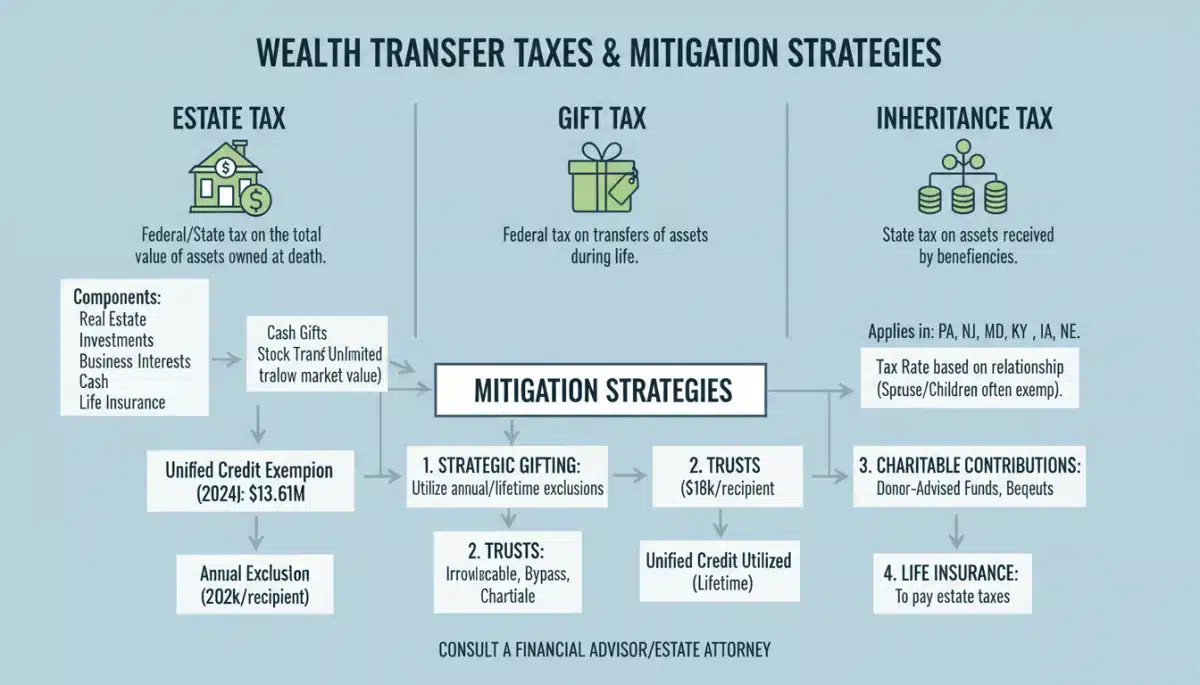

- Irrevocable Trusts: Assets transferred to these trusts are generally removed from your taxable estate.
- Marital Deduction Trusts: Ensure your plan effectively utilizes the unlimited marital deduction to defer estate taxes until the death of the surviving spouse.
- Beneficiary Designations: Review and update beneficiary designations on retirement accounts and life insurance policies, as these often supersede provisions in your will.
Powers of Attorney and Healthcare Directives
While not directly impacted by tax law changes, powers of attorney and healthcare directives are vital components of a comprehensive estate plan. A durable power of attorney designates someone to manage your financial affairs if you become incapacitated, while a healthcare directive (or living will) outlines your wishes for medical treatment. Ensuring these documents are current and accurately reflect your choices is crucial for both your well-being and your family’s peace of mind.
These documents prevent family disputes and ensure that your financial and medical decisions are handled by trusted individuals. Their importance often gets overshadowed by tax considerations, but they are equally fundamental to a robust estate plan. Make sure the agents you’ve named are still willing and able to serve.
Strategies for Legacy Preservation in 2026
Legacy preservation goes beyond simply minimizing taxes; it encompasses ensuring your values, philanthropic goals, and family heritage endure for future generations. The evolving tax landscape in 2026 offers both challenges and opportunities to refine these strategies. A well-crafted plan can help you achieve your financial and personal objectives, leaving a lasting impact.
Consider the broader implications of your wealth transfer. Do you want to support specific causes? Do you wish to instill financial responsibility in your heirs? These are questions that should guide your legacy planning, integrating with the technical aspects of tax minimization.
Charitable Giving Techniques
Charitable giving can be an integral part of legacy planning, offering significant tax advantages while supporting causes you care about. Various strategies exist, from direct donations to more complex charitable trusts, each with unique benefits for both the donor and the recipient organization.
- Charitable Remainder Trusts (CRTs): Provide income to you or other beneficiaries for a period, with the remainder going to charity.
- Charitable Lead Trusts (CLTs): Provide income to charity for a period, with the remainder returning to you or your non-charitable beneficiaries.
- Donor-Advised Funds (DAFs): Offer flexibility for charitable contributions, allowing you to make a donation and receive an immediate tax deduction, then recommend grants to charities over time.
Family Business Succession Planning
For those owning family businesses, succession planning is a critical element of estate planning. The 2026 tax changes could impact the valuation of the business for estate tax purposes, making it even more important to have a clear transition plan. This involves not only legal and financial considerations but also addressing family dynamics and leadership development.
A successful succession plan ensures the continuity of the business, preserves family wealth, and minimizes potential conflicts. It often involves a combination of gifting, sales, and trust structures to facilitate a smooth transfer of ownership and control while managing tax liabilities effectively.
Navigating Generation-Skipping Transfer (GST) Tax
The Generation-Skipping Transfer (GST) tax is a federal tax on transfers of wealth to beneficiaries who are two or more generations younger than the donor, such as grandchildren. Like the estate and gift tax exemptions, the GST tax exemption is also tied to the federal exemption amount, meaning it is expected to decrease significantly in 2026. This makes strategic planning to mitigate GST tax even more critical for those looking to benefit multiple generations.
The GST tax is imposed in addition to any estate or gift tax, essentially creating a double tax on certain transfers. Understanding how it applies and how to use available exemptions effectively is key to preserving multi-generational wealth. Ignoring this tax can lead to substantial reductions in the value transferred to younger generations.
Understanding Direct Skips, Taxable Terminations, and Taxable Distributions
The GST tax applies to three main types of transfers:
- Direct Skips: These are outright gifts or bequests to a skip person (e.g., a grandchild) where the transfer bypasses an intermediate generation.
- Taxable Terminations: Occur when an interest in a trust terminates, and the property is then held for or distributed to skip persons.
- Taxable Distributions: Involve distributions from a trust to a skip person.
Each of these scenarios triggers the GST tax if the transfer exceeds the available exemption. Careful structuring of trusts and direct gifts can help manage this exposure. Using the GST exemption strategically can protect significant amounts of wealth from this additional tax layer.
Strategies to Minimize GST Tax
Several strategies can help minimize the impact of the GST tax. One common approach is to allocate your GST exemption to transfers made to irrevocable trusts that benefit skip persons. Once the exemption is allocated, all future appreciation and distributions from that trust to skip persons are generally exempt from GST tax.
Another strategy involves making annual exclusion gifts directly to skip persons, as these gifts are generally exempt from GST tax without using your lifetime exemption. However, strict rules apply to these types of gifts, particularly if they are made in trust. Consulting with an expert is vital to ensure compliance and effectiveness.
The Role of Professional Advisors in 2026 Estate Planning
Navigating the complexities of estate planning, especially with the impending tax law changes in 2026, is a challenging endeavor that often requires the expertise of various professionals. A team approach, involving estate planning attorneys, financial advisors, and tax professionals, ensures all aspects of your financial and personal wishes are addressed comprehensively and efficiently. Attempting to manage these intricate details alone can lead to oversights and costly mistakes.
These professionals bring specialized knowledge and experience to the table, helping you understand the implications of the new laws, identify suitable strategies, and correctly implement your estate plan. Their guidance is invaluable in translating complex legal and financial jargon into actionable steps tailored to your unique situation.
Estate Planning Attorneys
An estate planning attorney is crucial for drafting and reviewing legal documents such as wills, trusts, and powers of attorney. They ensure these documents are legally sound, reflect your intentions, and comply with both federal and state laws. With the 2026 tax changes, their expertise in structuring trusts and other legal entities to minimize tax liabilities becomes even more critical.
They can advise on the best legal structures for wealth transfer, asset protection, and charitable giving, taking into account the specific provisions of the new tax laws. Their role is to ensure your plan is robust, enforceable, and aligned with your long-term goals.
Financial Advisors and Tax Professionals
Financial advisors help integrate your estate plan with your broader financial goals, including retirement planning, investment strategies, and insurance needs. They can assist in assessing your current assets, projecting future growth, and modeling the potential impact of various gifting and inheritance strategies under the new tax laws.
Tax professionals, such as Certified Public Accountants (CPAs), provide critical insights into the tax implications of your estate plan. They can help calculate potential estate, gift, and GST tax liabilities, identify tax-efficient strategies, and ensure all filings are accurate and timely. Their expertise is essential for navigating the intricate world of tax compliance and optimization.
Proactive Steps for Your 2026 Estate Plan
The impending changes in tax laws for 2026 underscore the importance of taking proactive steps in your estate planning. Waiting until the last minute can limit your options and potentially expose your estate to higher tax burdens. Early action allows for a more thorough review of your current situation, thoughtful consideration of various strategies, and the time needed to implement complex planning techniques effectively.
Beginning the process now provides the flexibility to adapt to any further legislative developments and ensures that your plan is resilient in the face of an evolving legal and economic environment. It’s about preparedness and securing your legacy for generations to come.
Conduct a Comprehensive Review of Your Assets
Start by inventorying all your assets, including real estate, investments, retirement accounts, life insurance policies, and personal property. Understand their current values and how they are titled. This detailed inventory forms the foundation of any effective estate plan, helping you and your advisors identify what needs to be protected and how it can be most efficiently transferred.
- Asset Valuation: Obtain up-to-date valuations for all significant assets.
- Ownership Structures: Review how assets are owned (e.g., individually, jointly, in a trust).
- Beneficiary Designations: Verify that all beneficiary designations are current and align with your wishes.
Schedule Consultations with Your Advisory Team
Once you have a clear picture of your assets, schedule meetings with your estate planning attorney, financial advisor, and tax professional. Discuss the anticipated 2026 tax law changes and their potential impact on your estate. Your team can help you explore various strategies, such as making significant gifts before the exemption reduction, establishing new trusts, or revising existing ones.
These consultations are not just about discussing problems; they are about identifying opportunities. Your advisors can help you leverage the current tax environment to your advantage, ensuring your estate plan is as robust and tax-efficient as possible before the changes take effect.
| Key Aspect | Brief Description |
|---|---|
| 2026 Tax Law Changes | Federal estate and gift tax exemptions are expected to decrease significantly, impacting wealth transfer strategies. |
| Gifting Strategies | Utilizing current higher annual and lifetime gift tax exemptions before 2026 can reduce future estate tax liabilities. |
| Document Review | Wills, trusts, and other estate planning documents should be updated to align with new tax laws and personal wishes. |
| Professional Guidance | Engaging estate attorneys, financial advisors, and tax professionals is crucial for navigating complex changes effectively. |
Frequently asked questions about 2026 estate planning
The primary change expected in 2026 is the significant reduction of the federal estate and gift tax exemption amounts, which are projected to revert to approximately half of their current levels. This will likely subject more estates to federal estate taxes.
You can maximize gifting by utilizing the current higher annual gift tax exclusion and the lifetime gift tax exemption. Making larger gifts now, especially into irrevocable trusts, can lock in the benefit of the more generous limits before they decrease.
Reviewing your will and trust documents is crucial because the 2026 tax law changes may render existing provisions less effective or even counterproductive. Updating them ensures your wishes are met and your plan remains tax-efficient under the new regulations.
The GST tax applies to transfers to beneficiaries two or more generations younger than the donor. Its exemption amount is linked to the federal estate tax exemption, meaning it is also expected to decrease in 2026, increasing the tax burden on multi-generational wealth transfers.
Absolutely. The complexity of the 2026 tax law changes makes professional guidance essential. An estate planning attorney, financial advisor, and tax professional can provide tailored advice, ensure compliance, and help optimize your plan to meet your specific goals.
Conclusion
The year 2026 represents a critical juncture for estate planning in the United States. With significant changes anticipated in federal estate, gift, and GST tax exemptions, proactive and strategic planning is paramount. By understanding the updated tax laws, maximizing gifting opportunities before the exemptions decrease, and revisiting essential inheritance planning documents, individuals can effectively preserve their legacy and minimize tax liabilities for their beneficiaries. Engaging a team of experienced professional advisors – including estate attorneys, financial advisors, and tax professionals – is not merely advisable but essential for navigating this evolving landscape. Taking these proactive steps now will ensure your estate plan is robust, efficient, and truly reflects your wishes for the future.