
The Department of Justice is intensifying its efforts against corporate monopolies in 2026, with four major tech firms now under active investigation, signaling a significant shift in regulatory oversight and market competition.
The Department of Justice (DOJ) has announced a significant intensification of its efforts in 2026, targeting corporate monopolies with a particular focus on the technology sector. This initiative, dubbed the DOJ monopoly crackdown, places four major tech firms under active investigation, signaling a pivotal moment for market competition and digital innovation.
The Genesis of the 2026 Antitrust Push
The current wave of antitrust scrutiny didn’t emerge overnight; it’s the culmination of years of growing public and political concern over the unchecked power of a few dominant technology companies. Policymakers and consumer advocates have increasingly pointed to various market practices that stifle competition, harm consumers, and limit innovation.
This intensified focus by the DOJ in 2026 reflects a strategic shift towards more aggressive enforcement. Previous administrations often grappled with how to apply existing antitrust laws to the rapidly evolving digital economy. However, recent legislative and judicial precedents have provided a clearer framework, empowering the DOJ to act decisively.
Evolving Legal Frameworks
The legal landscape for antitrust enforcement has undergone significant changes, making the current crackdown possible. New interpretations of existing statutes and, in some cases, newly enacted legislation, have broadened the scope of what constitutes anti-competitive behavior in the digital age.
- Digital Market Act (DMA) Influence: While originating in other jurisdictions, principles from acts like the DMA have subtly influenced U.S. legal thinking, emphasizing the responsibilities of gatekeeper platforms.
- Precedent-Setting Cases: Several smaller, successfully prosecuted antitrust cases against tech companies have provided the DOJ with valuable blueprints for approaching larger, more complex investigations.
- Increased Funding and Resources: The DOJ’s Antitrust Division has received substantial budget increases, allowing for the recruitment of specialized legal and technical experts essential for tackling sophisticated tech cases.
The confluence of these factors has created a fertile ground for the DOJ’s current offensive. This renewed commitment to antitrust enforcement aims not just to penalize past infractions but to reshape the future competitive landscape of the digital economy, ensuring that innovation and consumer welfare remain paramount.
Identifying the Four Major Tech Firms Under Scrutiny
While the DOJ has not officially disclosed the names of all four tech firms under investigation, credible reports and ongoing legal actions point to several prominent companies. These firms operate across various sectors, including online search, social media, e-commerce, and cloud computing, reflecting the broad scope of the antitrust concerns.
The investigations are reportedly focusing on practices such as predatory pricing, exclusionary tactics, data leveraging, and mergers that eliminate nascent competitors. These actions, when viewed collectively, are believed to have created insurmountable barriers to entry for smaller companies and stifled overall market dynamism.
Common Allegations and Practices
Each of the four firms faces specific allegations tailored to their business models, but common threads of anti-competitive behavior run through many of the cases. Understanding these commonalities provides insight into the DOJ’s strategy.
- Self-Preferencing: Accusations of platforms favoring their own products and services over those of competitors operating on the same platform.
- Acquisition of Rivals: Concerns over a pattern of acquiring smaller, innovative startups primarily to eliminate potential future competition.
- Data Monopolization: Leveraging vast amounts of user data to create insurmountable advantages in advertising and product development, making it nearly impossible for new entrants to compete.
- Tying Arrangements: Forcing users or businesses to use one product or service as a condition for accessing another, thereby extending market power.
The selection of these four firms underscores the DOJ’s intent to send a clear message across the entire tech industry: that market dominance comes with significant responsibilities, and abuse of that power will face severe consequences. The outcomes of these investigations will likely set precedents for decades to come.
The Implications for the Digital Economy
The DOJ’s aggressive stance against corporate monopolies in 2026 holds profound implications for the entire digital economy, extending far beyond the four directly investigated firms. This crackdown could fundamentally alter how technology companies operate, innovate, and compete, fostering an environment that is both more equitable and potentially more dynamic.
One immediate effect could be a chilling effect on future mergers and acquisitions, particularly for dominant players. Companies may become more cautious about acquiring smaller competitors, fearing antitrust challenges, which could, in turn, encourage more organic growth and direct competition. This shift could also lead to a surge in venture capital funding for startups, as investors see clearer paths to market success without being immediately absorbed by larger entities.
Potential Market Restructuring
Should the DOJ succeed in its cases, the remedies imposed could range from significant fines to structural separations, such as requiring companies to divest certain business units. Such interventions would undoubtedly reshape market dynamics.
- Increased Competition: Breaking up monopolies or imposing strict behavioral remedies could open up markets, allowing smaller businesses and startups to flourish.
- Innovation Shift: With less fear of being crushed by dominant players, innovation might become more decentralized, leading to a wider array of novel products and services.
- Consumer Benefits: Greater competition typically translates to lower prices, better quality products, and more choices for consumers across various digital services.
Furthermore, the investigations could lead to increased transparency and accountability within the tech industry. Companies might be compelled to reconsider their data collection practices, platform neutrality, and business models to align with stricter antitrust guidelines. The long-term vision is a digital economy where power is more distributed, fostering a healthier ecosystem for all participants.
Challenges and Hurdles for the DOJ
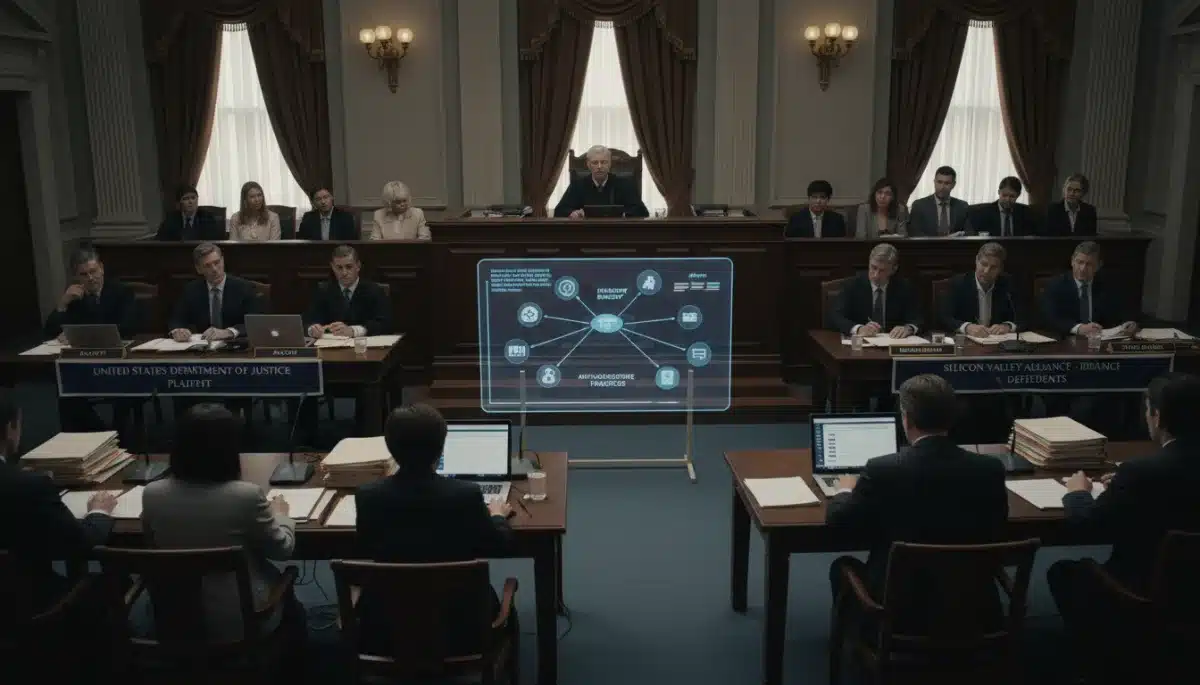
While the DOJ’s intentions are clear and its current approach is robust, prosecuting complex antitrust cases against highly sophisticated technology firms is fraught with challenges. These companies possess immense legal and financial resources, enabling them to mount formidable defenses. The legal battles are often protracted, requiring extensive evidence gathering, expert testimony, and a deep understanding of intricate technological ecosystems.
One significant hurdle is the ever-evolving nature of technology itself. By the time a case reaches trial, the market dynamics or the technology in question may have shifted, complicating legal arguments that rely on static definitions of markets or anti-competitive practices. This requires the DOJ to be agile and forward-thinking in its legal strategies.
Key Obstacles in Antitrust Litigation
The path to a successful prosecution is rarely straightforward. The DOJ must navigate several complex legal and practical obstacles.
- Defining Relevant Markets: In the digital age, defining what constitutes a ‘market’ can be incredibly difficult, especially when services are often free to users (e.g., social media platforms).
- Proving Harm: Demonstrating direct consumer harm in cases where services are free or appear to offer significant convenience can be challenging, requiring novel economic analyses.
- Technological Complexity: Judges and juries often lack a deep understanding of the underlying technologies, making it difficult to convey the nuances of alleged anti-competitive practices.
- Lobbying Power: Tech giants wield considerable lobbying power, potentially influencing legislative efforts and public opinion, which can indirectly impact legal proceedings.
Despite these challenges, the DOJ’s current resolve suggests a willingness to overcome these hurdles. The agency is likely leveraging new legal theories, enhanced data analysis capabilities, and a coordinated approach with international regulators to strengthen its position. The outcome will depend heavily on the strength of the evidence and the ability of the prosecution to articulate the long-term harms of unchecked corporate power.
How Businesses and Consumers Can Adapt
The ongoing DOJ monopoly crackdown in 2026 necessitates a proactive approach from both businesses and consumers to adapt to the changing regulatory landscape. For businesses, particularly those in the tech sector, understanding the implications and adjusting strategies is crucial. For consumers, awareness of their rights and the potential benefits of increased competition can empower them to make more informed choices.
Businesses, especially smaller enterprises and startups, should view this period as an opportunity. A more level playing field could mean greater access to markets, fairer competition, and reduced fear of being overshadowed or acquired by dominant players. This might encourage more investment in independent innovation and the development of alternative platforms and services.
Strategies for Businesses
Companies need to re-evaluate their compliance frameworks and market strategies in light of the heightened antitrust enforcement.
- Reviewing M&A Strategies: Companies should exercise increased caution and conduct thorough antitrust assessments before pursuing mergers or acquisitions.
- Ensuring Fair Platform Practices: Businesses operating on large platforms should advocate for and demand fair, non-discriminatory treatment, and consider diversifying their presence across multiple platforms.
- Fostering Open Standards: Supporting and adopting open standards can reduce reliance on proprietary ecosystems and promote interoperability, aligning with antitrust goals.
Consumers, on the other hand, stand to gain from increased competition, which often leads to better services, more privacy-respecting options, and potentially lower costs. They should remain vigilant, support companies that demonstrate fair practices, and provide feedback to regulators about anti-competitive behaviors they observe. The collective adaptation of both businesses and consumers will play a significant role in shaping the future digital economy under this renewed regulatory scrutiny.
Looking Ahead: The Future of Antitrust in Tech
The DOJ’s 2026 crackdown on corporate monopolies marks a watershed moment, signaling a long-term commitment to reshaping the competitive landscape of the technology sector. This is not merely a transient regulatory phase but rather an indication of a fundamental shift in how governments globally perceive and regulate digital market power. The outcomes of these current investigations will undoubtedly set precedents that influence antitrust enforcement for decades to come, impacting everything from platform design to consumer data policies.
We can anticipate a continued evolution of antitrust law, adapting to new technologies and business models. Regulators are likely to become more sophisticated in identifying and addressing anti-competitive practices in areas such as artificial intelligence, quantum computing, and the metaverse, which are still in their nascent stages but hold immense potential for market concentration. The focus will extend beyond traditional price-fixing to encompass data dominance, algorithmic bias, and ecosystem lock-in effects.
Anticipated Regulatory Developments
Several trends and developments are expected to shape the future of antitrust in tech.
- International Cooperation: Increased collaboration among global antitrust authorities to tackle multinational tech giants, ensuring consistent enforcement across borders.
- Proactive Regulation: A move towards more proactive regulatory frameworks that aim to prevent monopolies from forming in the first place, rather than solely reacting to existing market dominance.
- Focus on Data as an Asset: Greater scrutiny on how dominant firms leverage vast datasets to maintain and extend their market power, potentially leading to new regulations around data portability and access.
- Behavioral vs. Structural Remedies: A continued debate and strategic application of both behavioral remedies (e.g., prohibiting certain business practices) and structural remedies (e.g., breaking up companies) depending on the severity and nature of the antitrust violations.
The ultimate goal is to foster an environment where innovation thrives, new entrants can challenge established players, and consumers benefit from genuine choice and fair practices. This sustained regulatory pressure is essential for ensuring that the digital economy remains a vibrant and competitive space, rather than one dominated by a few unchallenged behemoths.
| Key Point | Brief Description |
|---|---|
| DOJ 2026 Crackdown | Intensified antitrust efforts targeting corporate monopolies, particularly in the tech sector. |
| 4 Tech Firms Under Investigation | Major tech companies facing scrutiny for anti-competitive practices like self-preferencing and data monopolization. |
| Digital Economy Impact | Potential for market restructuring, increased competition, and shifts in innovation and consumer benefits. |
| Challenges for DOJ | Complexities in defining markets, proving harm, and navigating technological advancements in litigation. |
Frequently Asked Questions About the DOJ Crackdown
The primary goal is to address and prevent anti-competitive practices by dominant corporations, particularly in the technology sector. This aims to foster fair competition, protect consumers, and encourage innovation by breaking down barriers to entry for smaller businesses and startups in the digital economy.
While the DOJ has not officially named all companies, credible reports indicate major players in online search, social media, e-commerce, and cloud computing are under scrutiny. These investigations target practices like self-preferencing, data leveraging, and exclusionary tactics that stifle competition.
Consumers could benefit significantly from increased competition, potentially leading to lower prices, higher quality products and services, more innovative offerings, and better data privacy protections. The goal is to provide more choices and a fairer digital marketplace for everyone.
Major challenges include defining relevant markets in rapidly evolving digital landscapes, proving direct consumer harm when services are often free, navigating complex technologies, and countering the immense legal resources of the tech giants involved in the investigations.
The crackdown is expected to lead to a more distributed power structure, encourage decentralized innovation, and potentially restructure how tech companies operate. It may also result in stricter regulations on mergers, data practices, and platform neutrality, fostering a more equitable digital ecosystem for the future.
Conclusion
The DOJ’s 2026 crackdown on corporate monopolies, particularly within the tech sector, represents a critical juncture for the digital economy. With four major tech firms under investigation, the initiative signals a robust commitment to fostering genuine competition, safeguarding consumer interests, and preventing the unchecked accumulation of power by a few dominant players. While the path to successful prosecution is complex and fraught with challenges, the potential long-term benefits—including increased innovation, greater consumer choice, and a more equitable marketplace—underscore the importance of these ongoing efforts. This period of intensified regulatory scrutiny will undoubtedly shape the future trajectory of technology and commerce, ensuring that the digital landscape remains dynamic and accessible for all.