
The landscape of food assistance programs, particularly SNAP benefits, is evolving in 2026 with new eligibility criteria and application processes designed to enhance food security for eligible individuals and families across the United States.
The year 2026 brings significant updates to federal Food Assistance Programs 2026: Latest Updates on SNAP Benefits and Eligibility Criteria, impacting millions of Americans seeking support for their nutritional needs. Understanding these changes is crucial for current recipients and those considering applying. This comprehensive guide aims to demystify the latest regulations, helping you navigate the pathway to food security with clarity and confidence.
Understanding SNAP Benefits in 2026
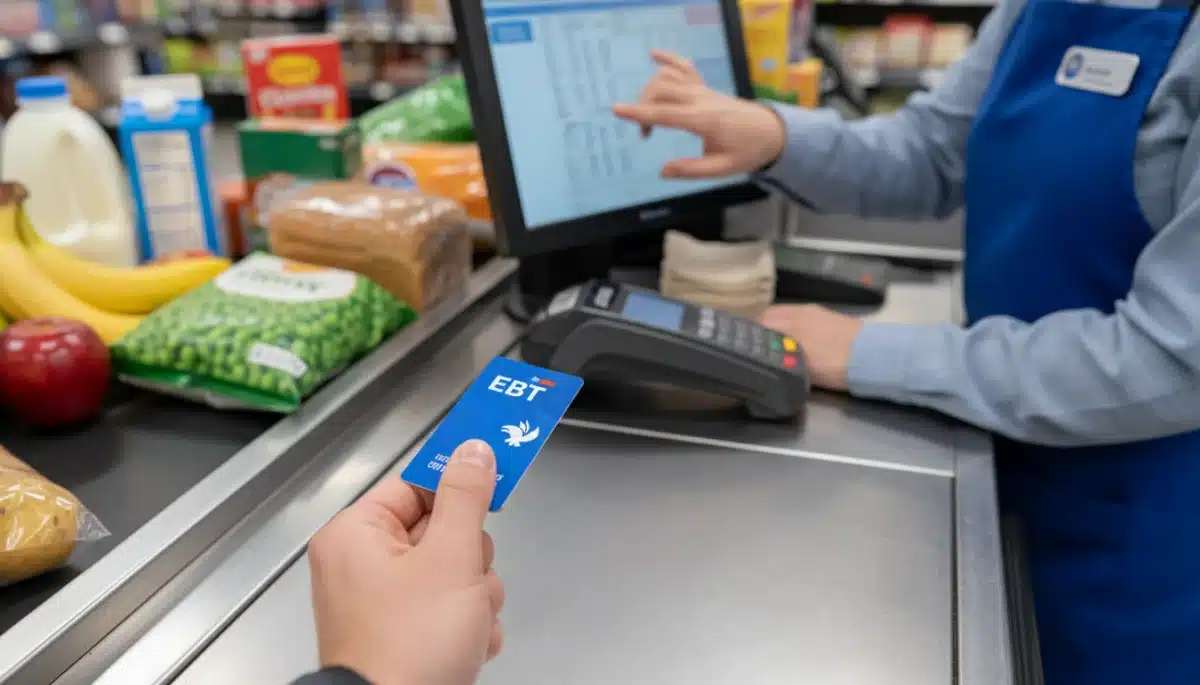
The Supplemental Nutrition Assistance Program (SNAP), often referred to as food stamps, remains a cornerstone of federal efforts to combat food insecurity. In 2026, SNAP continues its mission to provide low-income individuals and families with financial assistance to purchase nutritious food. The program operates through Electronic Benefit Transfer (EBT) cards, which function much like debit cards, allowing recipients to buy eligible food items at authorized retailers.
These benefits are critical for many households, ensuring that basic dietary needs can be met even amidst economic challenges. The federal government, in collaboration with state agencies, continually reviews and adjusts SNAP policies to better serve the population, adapting to economic shifts and emerging needs.
Key Changes to Benefit Calculations
Several adjustments to how SNAP benefits are calculated are expected in 2026. These changes aim to reflect the current cost of living and ensure that benefit levels are adequate to support healthy diets. Factors such as inflation, average food prices, and household income thresholds are regularly re-evaluated.
- Thrifty Food Plan Revisions: The underlying basis for SNAP benefit amounts, the Thrifty Food Plan, undergoes periodic review. The 2026 revisions are expected to account for modern dietary guidelines and realistic food costs.
- Income Deduction Updates: Standard deductions for expenses like housing, utilities, and medical costs for the elderly or disabled are likely to be updated, potentially increasing net income calculations for some households.
- Maximum Allotment Adjustments: The maximum monthly benefit allotments for households, which vary by household size, are subject to annual adjustments to keep pace with food inflation.
These calculation changes are designed to ensure that the assistance provided remains meaningful for recipients, directly impacting their purchasing power at the grocery store. Understanding these nuances can help applicants better estimate their potential benefit amounts.
Eligibility Criteria for SNAP in 2026
Eligibility for SNAP benefits in 2026 continues to be determined by a combination of income, household size, and specific resource limits. While the core principles remain, there are often subtle yet impactful adjustments made annually to these criteria. Applicants must meet both gross and net income tests, with some exceptions for certain household types.
Generally, a household’s gross monthly income must be at or below 130% of the federal poverty level, and net income must be at or below 100%. However, these percentages can vary based on state-specific waivers and federal guidelines, making it important to check the precise requirements for your state.
Income and Resource Limits
For most households, both gross and net income limits apply. Gross income refers to all household income before deductions, while net income is what remains after certain allowable deductions are applied. Resource limits also play a role, setting a maximum value on countable assets a household can possess.
- Gross Income Test: Typically, a household’s gross monthly income must not exceed 130% of the federal poverty line. This threshold ensures that the program primarily serves those with the greatest financial need.
- Net Income Test: After allowable deductions, a household’s net monthly income must be at or below 100% of the federal poverty line. Deductions can include a standard deduction, earned income deduction, dependent care costs, and excess medical expenses for qualifying individuals.
- Resource Limits: Most households must have countable resources (such as bank accounts) of $2,750 or less. For households with at least one member who is age 60 or older or has a disability, the resource limit is typically higher, at $4,250.
These limits are crucial for determining who qualifies for assistance. It is important to accurately report all income and resources during the application process to ensure a fair assessment of eligibility. Misreporting can lead to delays or even disqualification.
Application Process and Documentation
Applying for SNAP benefits in 2026 involves a structured process designed to verify eligibility and ensure that assistance reaches those who need it most. The application can typically be completed online, by mail, or in person at a local SNAP office. The necessary documentation is extensive but critical for a successful application.
After submitting an application, an interview with a SNAP caseworker is usually required. This interview helps clarify information and ensures all details are accurately recorded. Following the interview, the state agency will review all submitted documents and make an eligibility determination, typically within 30 days.
Required Documentation for Applicants
To streamline the application process, applicants should gather all required documents beforehand. This includes proof of identity, residency, income, and household expenses. Having these documents ready can significantly reduce processing times and potential delays.
- Proof of Identity: A valid driver’s license, state ID, or passport for all household members.
- Proof of Residency: Utility bills, rent receipts, or a lease agreement showing your current address.
- Income Verification: Pay stubs, tax returns, letters from employers, or benefit statements (e.g., Social Security, unemployment).
- Household Expenses: Rent or mortgage statements, utility bills (electricity, water, gas), and receipts for dependent care or medical expenses.
Providing comprehensive and accurate documentation is paramount for a smooth application experience. Missing or incorrect information is a common reason for application delays or denials. Applicants are encouraged to keep copies of all submitted documents for their records.
Anticipated Policy Changes and Updates for 2026
As 2026 unfolds, several policy changes and updates are anticipated within the realm of food assistance programs. These modifications often stem from legislative actions, executive orders, or responses to economic and social trends. Keeping abreast of these potential changes is vital for both applicants and existing beneficiaries.
Discussions at the federal level often revolve around strengthening the program’s integrity, expanding access to healthy foods, and addressing specific vulnerabilities within the population. These policy shifts can influence everything from eligibility requirements to the types of food products that can be purchased with SNAP benefits.
Potential Legislative and Administrative Reforms
Legislative bodies and administrative agencies continuously evaluate and propose reforms to SNAP. These reforms can be driven by a variety of factors, including economic shifts, public health objectives, and efforts to streamline program administration. Staying informed about these proposals is key.
- Farm Bill Reauthorization: The periodic reauthorization of the Farm Bill often includes significant provisions affecting SNAP. Debates around work requirements, benefit levels, and program funding are common.
- Healthy Food Incentives: There may be an increased focus on initiatives that incentivize the purchase of fruits, vegetables, and other healthy foods, potentially through pilot programs or expanded nutrition education.
- Online SNAP Expansion: The ongoing expansion of online purchasing options for SNAP benefits is likely to continue, improving accessibility for recipients, especially in rural or underserved areas.
These potential reforms highlight the dynamic nature of food assistance policies. Advocates and policymakers work to balance fiscal responsibility with the critical need to support food-insecure populations. Understanding these broader trends can provide context for specific program changes.
State-Specific Variations in SNAP Implementation
While SNAP is a federal program, its implementation and administration largely fall to individual states. This means that while federal guidelines set the overarching framework, there can be significant variations in how SNAP operates from one state to another in 2026. These differences can affect eligibility, application processes, and even the types of benefits available.
Each state agency adapts federal mandates to its unique demographic, economic, and administrative capabilities. This localized approach allows for greater flexibility but also necessitates that applicants research their specific state’s requirements. These variations are particularly noticeable in areas such as work requirements, interview policies, and local outreach efforts.
Examples of State-Specific Differences
Understanding these state-level nuances is crucial for applicants to successfully navigate the program. What applies in one state might not be the case in another, making localized information invaluable.
- Work Requirements: While federal law mandates work requirements for certain able-bodied adults without dependents (ABAWDs), states can request waivers for these requirements based on local unemployment rates. Some states may have stricter or more lenient interpretations.
- Interview Policies: Some states may require in-person interviews for all applicants, while others might offer phone interviews or waive the interview requirement for certain populations, such as the elderly or disabled.
- Expedited Benefits: The timeframe for receiving expedited SNAP benefits for households with very low income or resources can vary slightly by state, though federal guidelines provide a general framework.
These examples illustrate why consulting your state’s specific SNAP agency or website is always the best course of action. State-specific guides and contact information are readily available and can provide the most accurate and up-to-date information for your location.
Beyond SNAP: Other Food Assistance Initiatives in 2026
While SNAP is the largest federal food assistance program, it is not the only one. In 2026, a variety of other initiatives complement SNAP, addressing diverse nutritional needs and specific demographics. These programs collectively form a robust safety net, aiming to reduce food insecurity across different segments of the population.
These complementary programs often target specific groups, such as children, pregnant women, or seniors, providing tailored support that may extend beyond what SNAP offers. Exploring these options can provide additional layers of food security for eligible individuals and families.
Key Complementary Food Programs
Understanding the landscape of other food assistance programs can help individuals and families access a broader range of support. These programs often work in conjunction with SNAP to provide holistic nutritional aid.
- WIC (Special Supplemental Nutrition Program for Women, Infants, and Children): WIC provides nutritious foods, nutrition education, and healthcare referrals to pregnant women, new mothers, infants, and young children up to age five who are at nutritional risk.
- National School Lunch Program (NSLP) and School Breakfast Program (SBP): These programs provide nutritionally balanced, low-cost or free lunches and breakfasts to children each school day, playing a vital role in child nutrition.
- Commodity Supplemental Food Program (CSFP): CSFP works to improve the health of low-income elderly people at least 60 years of age by supplementing their diets with nutritious USDA Foods.
- Summer Food Service Program (SFSP): SFSP ensures that children continue to receive nutritious meals when school is not in session, typically during the summer months.
These programs, alongside SNAP, represent a multi-faceted approach to addressing food insecurity in the United States. Eligibility for one program does not necessarily preclude eligibility for others, and many households may qualify for benefits from multiple sources. This integrated approach helps ensure that comprehensive nutritional support is available to those who need it most.
| Key Aspect | Brief Description |
|---|---|
| SNAP Benefits 2026 | Federal program providing food purchasing assistance via EBT cards to low-income individuals and families. |
| Eligibility Criteria | Determined by gross/net income, household size, and resource limits, with state-specific variations. |
| Application Process | Requires identity, income, and residency documentation, followed by an interview for verification. |
| Policy Updates | Anticipated changes from Farm Bill reauthorization and efforts to expand healthy food access and online purchasing. |
Frequently Asked Questions About SNAP Benefits in 2026
For 2026, primary changes to SNAP benefits are expected to include revisions to the Thrifty Food Plan, updated income deduction amounts, and adjustments to maximum monthly allotments. These are designed to reflect current food costs and economic conditions, ensuring benefits remain adequate for eligible households.
To check your specific eligibility for SNAP in 2026, you should visit your state’s Department of Social Services or Human Services website. Each state has its own application portal and detailed guidelines that align with federal regulations but may include unique state-specific criteria and processes.
Essential documents for SNAP applications typically include proof of identity for all household members, proof of residency (e.g., utility bills), verifiable income statements (pay stubs, tax returns), and documentation for household expenses such as rent or mortgage payments and utility bills. Gathering these beforehand speeds up the process.
Yes, the expansion of online purchasing options for SNAP benefits is expected to continue in 2026. Many states and authorized retailers now allow EBT cardholders to buy groceries online for delivery or pickup, significantly improving accessibility, especially for those with transportation challenges or in remote areas.
Absolutely. Beyond SNAP, other significant food assistance programs for 2026 include WIC (for women, infants, and children), the National School Lunch and Breakfast Programs, the Commodity Supplemental Food Program (for seniors), and the Summer Food Service Program. These programs target specific demographics and needs to enhance overall food security.
Conclusion
Navigating the landscape of Food Assistance Programs 2026: Latest Updates on SNAP Benefits and Eligibility Criteria can seem complex, but understanding the key changes and resources available is a powerful step towards ensuring food security. The ongoing adjustments to SNAP benefits, eligibility, and application processes reflect a dynamic effort to meet the nutritional needs of vulnerable populations in the United States. By staying informed about federal guidelines, state-specific variations, and complementary programs, individuals and families can effectively access the support they need. These programs are vital components of the nation’s social safety net, continuously evolving to better serve those facing food insecurity.