
Navigating unemployment benefits in 2026 requires understanding new regulations on extended aid and strict job search requirements to ensure continued support.
Understanding and applying for unemployment benefits 2026 is a critical step for many Americans facing job loss. This guide will walk you through the evolving landscape of extended aid, eligibility criteria, and the non-negotiable job search requirements to ensure you maximize your support in the coming year.
Understanding the 2026 Unemployment Landscape
As we approach 2026, the framework surrounding unemployment benefits continues to adapt to economic shifts and policy changes. It is essential for individuals to stay informed about these updates to effectively access and maintain their benefits. The federal and state governments frequently adjust programs to reflect current labor market conditions and fiscal priorities.
These adjustments can impact everything from the duration of benefits to the weekly payment amounts. Staying updated on these changes is not merely about compliance; it is about securing your financial well-being during a challenging period. The goal is to provide a safety net, but that net comes with specific rules and expectations.
Federal and State Program Overviews
Unemployment insurance (UI) is a joint federal and state program, meaning that while there are national guidelines, each state administers its own program with unique rules. In 2026, we anticipate a continued emphasis on state-level autonomy in benefit determination. This means that a comprehensive understanding of your specific state’s regulations is paramount.
- State-specific eligibility: Each state defines who qualifies for benefits based on work history and reason for separation.
- Benefit duration: Standard benefits typically last 26 weeks, but this can vary by state and economic conditions.
- Weekly benefit amount: Calculated based on a percentage of your past earnings, up to a state-defined maximum.
The interplay between federal and state policies creates a dynamic environment. While federal legislation might introduce broad changes or extensions, the practical application often rests with state agencies. Therefore, direct consultation with your state’s unemployment office website remains the most reliable source for precise information.
In conclusion, the 2026 unemployment landscape demands active engagement and continuous learning from claimants. Understanding the foundational structure of federal and state programs is the first step toward successfully navigating the system and maximizing your benefit entitlements.
Eligibility Criteria and Application Process in 2026
Securing unemployment benefits in 2026 begins with meeting specific eligibility criteria and navigating a detailed application process. These requirements are designed to ensure that benefits are directed to those who genuinely need and qualify for them, maintaining the integrity of the unemployment insurance system.
Eligibility typically hinges on your work history, earnings over a specific base period, and the reason for your unemployment. It’s not enough to simply be out of work; you must meet several conditions to be considered a legitimate claimant. Understanding these conditions before applying can streamline the entire process and prevent unnecessary delays.
Key Eligibility Requirements
While state laws vary, several core eligibility factors remain consistent across the United States. These fundamental requirements ensure a level of fairness and consistency in who receives aid.
- Monetary eligibility: You must have earned a certain amount of wages during your state’s “base period” (usually the first four of the last five completed calendar quarters before your claim).
- Reason for unemployment: You must be unemployed through no fault of your own (e.g., laid off due to lack of work, not fired for misconduct or voluntarily quitting without good cause).
- Availability for work: You must be physically and mentally able to work and actively seeking employment.
Each of these points is thoroughly investigated during the application process. For instance, if you were fired, the state unemployment agency will often contact your former employer to verify the circumstances of your separation. Providing accurate and complete information is crucial, as any discrepancies can lead to delays or denial of benefits.
Navigating the Application Process
The application process for unemployment benefits in 2026 primarily occurs online, though some states still offer phone or in-person options. It’s a multi-step procedure that requires careful attention to detail and timely submission.
The initial application typically asks for personal information, employment history, and details about your separation from your last job. You’ll need documents such as your Social Security number, driver’s license, and information from your last employer (e.g., W-2 forms, pay stubs, or separation notices).
After submitting your application, there’s usually a waiting period, often one week, during which benefits are not paid. This waiting week is standard in most states. Following this, your claim will be reviewed, and you may be contacted for further information or an interview to clarify details. It’s important to respond promptly to any requests from the unemployment office to avoid delays in your benefit determination.
In summary, understanding the eligibility criteria and meticulously following the application process are critical for anyone seeking unemployment benefits in 2026. Proactive preparation and accurate information submission are your best allies in securing timely financial support.
Extended Unemployment Aid in 2026: What to Expect
The availability of extended unemployment aid in 2026 is a significant concern for many who face prolonged periods of joblessness. While standard benefits provide a temporary safety net, economic downturns or specific legislative actions can trigger programs that offer additional weeks of support beyond the typical state maximums.
Historically, extended benefits have been a crucial component of the unemployment insurance system during recessions or periods of high unemployment. However, their activation and duration are often tied to specific economic indicators and legislative decisions at both federal and state levels. Claimants need to understand the conditions under which these extensions become available.
Federal and State Extended Benefit Programs
Extended Benefits (EB) programs are a primary mechanism for offering additional weeks of unemployment compensation. These are typically 50% federally funded and 50% state-funded, and they activate when a state’s insured unemployment rate (IUR) or total unemployment rate (TUR) reaches certain thresholds.
- Trigger mechanisms: EB programs are not always active; they are triggered by specific economic metrics within a state.
- Duration of EB: Once triggered, EB can provide an additional 13 or 20 weeks of benefits, depending on the state’s unemployment rate.
- Eligibility for EB: Generally, you must have exhausted your regular state benefits and meet specific work history requirements to qualify for EB.
Beyond the standard EB program, Congress has, at times, enacted temporary federal unemployment programs, such as those seen during the COVID-19 pandemic. These programs, like Pandemic Unemployment Assistance (PUA) or Pandemic Emergency Unemployment Compensation (PEUC), provided significant extensions and expanded eligibility. While these specific pandemic-era programs are not expected to be active in 2026, future economic crises could prompt similar legislative responses.
Preparing for Potential Extensions
While it’s impossible to predict future legislative actions, claimants can prepare by staying informed and maintaining meticulous records. Understanding your state’s current unemployment rates and monitoring federal economic policy discussions can provide early indications of potential extended aid.
It is also crucial to continue meeting all existing eligibility requirements, especially job search activities, even if you are nearing the end of your regular benefits. Maintaining a strong record of compliance will put you in the best position should extended benefits become available.
In conclusion, extended unemployment aid in 2026 will largely depend on economic conditions and legislative responses. Claimants should remain vigilant, understand the triggers for such programs, and continue to fulfill their obligations to ensure they are ready to access any additional support that becomes available.
Navigating Job Search Requirements in 2026
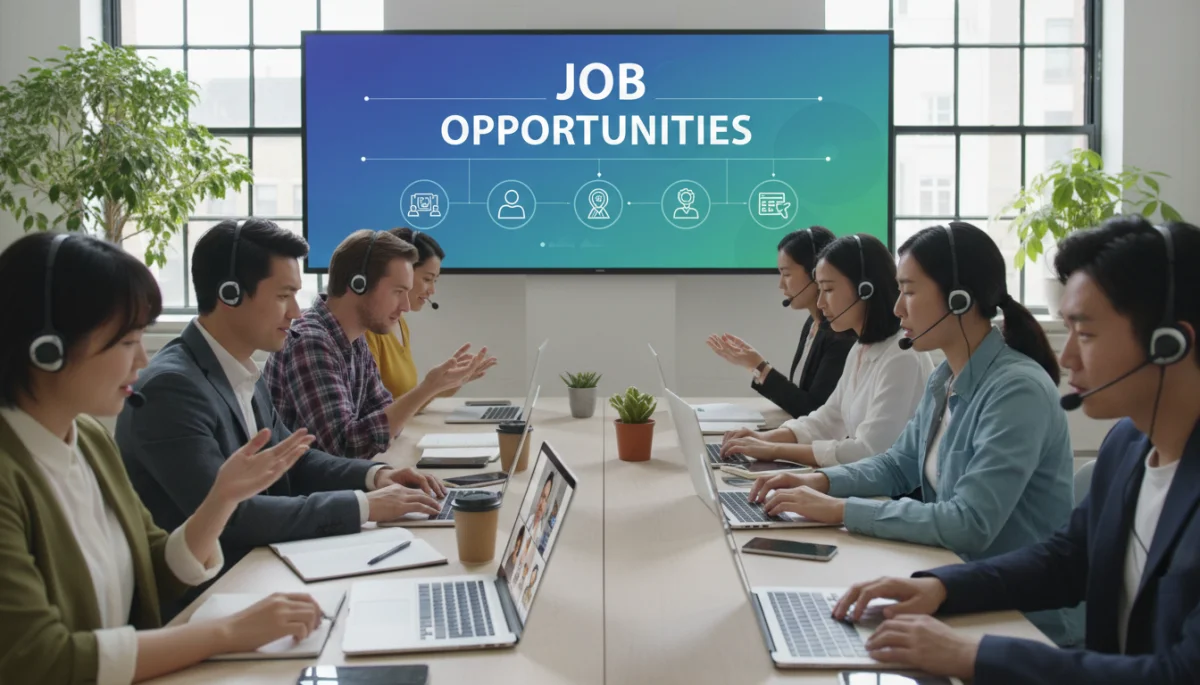
A fundamental condition for receiving unemployment benefits in 2026 is actively engaging in a job search. This is not merely a formality but a critical component designed to encourage reemployment and limit the duration of unemployment claims. States impose strict requirements on what constitutes an acceptable job search, and failure to comply can lead to benefit suspension or even disqualification.
The rules around job search activities are evolving, often incorporating modern tools and expectations. Claimants must be aware of their state’s specific requirements, including the number of contacts required per week, the types of activities considered valid, and the methods for reporting these efforts.
Defining an Active Job Search
An active job search typically involves more than just browsing job boards. States often define specific activities that qualify as legitimate efforts to find work. These can vary, but generally include a mix of direct applications and networking.
- Direct job applications: Applying for suitable positions through online portals, company websites, or in person.
- Networking activities: Attending job fairs (virtual or in-person), participating in professional association meetings, or contacting employers directly.
- Resume and cover letter customization: Tailoring application materials for specific jobs.
Many states require claimants to make a certain number of job contacts each week, often between three and five. These contacts must be documented, including the date of contact, the employer’s name, the position applied for, and the outcome. Some states also mandate registration with state workforce agencies or participation in workshops.
Reporting and Documentation
Accurate and timely reporting of job search activities is non-negotiable. Most states require weekly or bi-weekly certification, where you attest to your job search efforts. This typically involves logging into an online portal and entering the details of your contacts.
It’s advisable to keep a personal record of all your job search activities, even beyond what is required for reporting. This includes saving confirmation emails from online applications, notes from interviews, and any communication with potential employers. Such documentation can be invaluable if there’s ever a question about your compliance or an audit of your claim.
Failure to meet job search requirements or to accurately report your activities can result in penalties, including the denial of benefits for the weeks in question or even a requirement to repay previously received benefits. States are increasingly utilizing data analytics to verify job search efforts, making honest and thorough reporting more critical than ever.
In conclusion, navigating job search requirements in 2026 demands diligence and adherence to state-specific rules. An active, well-documented job search is not just a condition for benefits but a proactive step towards reemployment.
Understanding Benefit Calculations and Payments
For individuals relying on unemployment benefits in 2026, understanding how these payments are calculated and disbursed is crucial for effective financial planning. The weekly benefit amount is not arbitrary; it’s determined by a formula that considers your past earnings, while payment schedules are designed to provide consistent, albeit temporary, support.
Each state has its own specific methodology for calculating benefits, but the underlying principle is generally the same: to replace a portion of your lost wages. This partial replacement aims to provide a basic level of financial stability while you seek new employment, rather than fully replacing your previous income.
How Your Weekly Benefit Amount is Determined
Your weekly benefit amount (WBA) is primarily based on your wages earned during a “base period,” which is typically the first four of the last five completed calendar quarters prior to filing your claim. States use various formulas, but common methods include:
- High-quarter method: A percentage of your wages in the highest earning quarter of your base period.
- Annual wage method: A percentage of your total wages earned during the entire base period.
- Weekly wage method: A percentage of your average weekly wage during a specific portion of the base period.
Regardless of the method, there is always a minimum and maximum weekly benefit amount set by each state. This means that even if you earned a very high salary, your WBA will be capped. Similarly, there’s a floor to ensure even those with lower earnings receive some level of support. It’s important to note that any severance pay, vacation pay, or workers’ compensation you receive can impact your WBA or even delay the start of your benefits.
Payment Methods and Tax Implications
Unemployment benefits are typically paid weekly or bi-weekly, most commonly through direct deposit to your bank account or via a state-issued debit card. These methods are designed for convenience and speed, ensuring funds reach claimants efficiently.
A critical aspect to remember is that unemployment benefits are considered taxable income by both federal and, in most cases, state governments. You will receive a Form 1099-G from your state unemployment agency detailing the total amount of benefits paid to you during the year. It is highly advisable to elect to have federal taxes withheld from your weekly payments to avoid a large tax bill at the end of the year. Some states also allow for state tax withholding.
Understanding these calculations and payment logistics is vital for budgeting and avoiding financial surprises. Being aware of the tax implications allows you to plan accordingly and ensures you are not caught off guard when tax season arrives.
In conclusion, navigating the financial aspects of unemployment benefits in 2026 involves understanding how your weekly amount is calculated and being prepared for the tax implications of receiving this aid. Proactive financial management is key during this period.
Resources and Support for Job Seekers in 2026
Beyond financial aid, individuals receiving unemployment benefits in 2026 have access to a wealth of resources and support systems designed to facilitate their return to the workforce. These resources are not just supplementary; they are often integrated into the unemployment insurance system, with participation sometimes being a requirement for continued benefits.
The goal is to provide comprehensive assistance, addressing various aspects of the job search process, from skill development to interview preparation. Utilizing these resources can significantly enhance a claimant’s prospects for reemployment and shorten their period of unemployment.
State Workforce Agencies and Career Centers
State workforce agencies, often operating under names like “Department of Labor” or “Workforce Development,” are central hubs for job seeker support. These agencies typically manage a network of American Job Centers (AJCs) or similar career centers across the state.
- Job matching services: AJCs often have databases of local job openings and can help match your skills with available positions.
- Resume and interview assistance: Workshops and one-on-one counseling for resume writing, cover letter development, and interview skills.
- Training and education programs: Access to funded training programs for in-demand skills or certifications.
These centers provide invaluable services, many of which are free of charge. They are staffed by career counselors who can offer personalized guidance, administer skills assessments, and connect you with local employers. Many states also require unemployment claimants to register with their state’s workforce agency as part of their job search requirements.
Online Tools and Community Support
In 2026, online platforms continue to be a dominant force in job searching and professional development. Beyond state-run portals, numerous websites offer job listings, skill-building courses, and networking opportunities. LinkedIn, indeed.com, and other industry-specific job boards are essential tools.
Furthermore, community organizations, non-profits, and local libraries often provide additional support, including computer access, resume review services, and job search workshops. Networking groups, both online and in-person, can also provide emotional support, job leads, and opportunities to practice interview skills with peers.
Actively engaging with these resources is not just about meeting requirements; it’s about investing in your future career. The more tools and support you leverage, the better equipped you will be to navigate the job market successfully.
In conclusion, a wide array of resources and support systems are available for job seekers in 2026. From state workforce agencies to online platforms and community groups, these tools are designed to empower claimants and accelerate their return to stable employment.
Common Pitfalls and How to Avoid Them
While navigating unemployment benefits in 2026 offers crucial financial support, the system is complex, and claimants can inadvertently fall into common pitfalls that jeopardize their eligibility or delay their payments. Being aware of these potential traps is the first step toward avoiding them and ensuring a smooth claims process.
Many issues arise from misunderstandings of rules, incomplete information, or a lack of diligence. Proactive engagement and careful attention to detail can prevent most of these problems, allowing you to focus on your job search rather than administrative headaches.
Mistakes in Reporting and Communication
One of the most frequent errors claimants make involves inaccurate or incomplete reporting. This can pertain to job search activities, earnings from part-time work, or refusal of suitable employment.
- Inaccurate job search logs: Failing to detail sufficient contacts or fabricating job search efforts can lead to disqualification.
- Underreporting earnings: Even small amounts of part-time income must be reported. Failure to do so can result in overpayment and repayment demands.
- Ignoring communications: Not responding promptly to requests for information from the unemployment office can cause delays or claim denial.
It’s vital to remember that unemployment agencies have sophisticated systems for cross-referencing information. Honesty and accuracy in all reporting are paramount. If you are unsure about what to report, it is always better to contact your state’s unemployment office for clarification rather than making assumptions.
Misunderstanding Eligibility and Appeals
Another common pitfall is misunderstanding the ongoing eligibility requirements, especially regarding availability for work and willingness to accept suitable employment. For example, if you become unavailable for work due to illness or vacation, you must report this, and your benefits for that period may be affected.
If your claim is denied or benefits are stopped, many claimants fail to understand their right to appeal. The appeal process is a critical safeguard, allowing you to present your case and provide additional evidence. However, appeals have strict deadlines, and missing them can permanently forfeit your right to challenge a decision.
Always review any denial notices carefully, understand the reasons provided, and if you believe the decision is incorrect, initiate the appeal process immediately. Gathering all relevant documentation and preparing a clear, concise argument is essential for a successful appeal.
In conclusion, avoiding common pitfalls in 2026 unemployment claims requires vigilance, accurate reporting, and a clear understanding of eligibility rules and appeal rights. Proactive engagement with the system will help ensure your benefits are maintained without interruption.
| Key Aspect | Brief Description |
|---|---|
| Eligibility | Must meet state-specific work history, earnings, and reason for unemployment criteria. |
| Extended Aid | Availability depends on economic triggers and legislative actions; not always active. |
| Job Search | Mandatory active efforts, documented reporting, and compliance with state rules. |
| Taxation | Unemployment benefits are federally taxable income; state taxes may also apply. |
Frequently Asked Questions About Unemployment Benefits in 2026
To qualify for unemployment benefits in 2026, you must have earned sufficient wages during a base period, be unemployed through no fault of your own, and be actively seeking and available for work. Specific monetary and work history requirements vary by state.
The availability of extended unemployment benefits in 2026 will depend on prevailing economic conditions and legislative actions, primarily at the federal and state levels. These benefits are typically triggered when a state’s unemployment rate reaches certain thresholds.
States generally require active job search efforts, including a specific number of contacts per week, such as applying for jobs, attending job fairs, and networking. All activities must be meticulously documented and reported to the unemployment agency.
Yes, unemployment benefits are considered taxable income by the federal government and most state governments. Claimants will receive a Form 1099-G and should consider having taxes withheld from their weekly payments to avoid a large tax bill.
Job seekers can access state workforce agencies, American Job Centers, and online platforms for assistance with job matching, resume writing, interview skills, and training programs. Many community organizations also offer support services.
Conclusion
Navigating the complexities of unemployment benefits in 2026 requires diligence, informed decision-making, and proactive engagement with state and federal guidelines. By understanding eligibility, staying alert to extended aid possibilities, meticulously fulfilling job search requirements, and utilizing available resources, individuals can effectively maximize their support during periods of joblessness. Staying informed about policy changes and maintaining accurate records will be paramount to a successful claims experience and a swift return to employment.